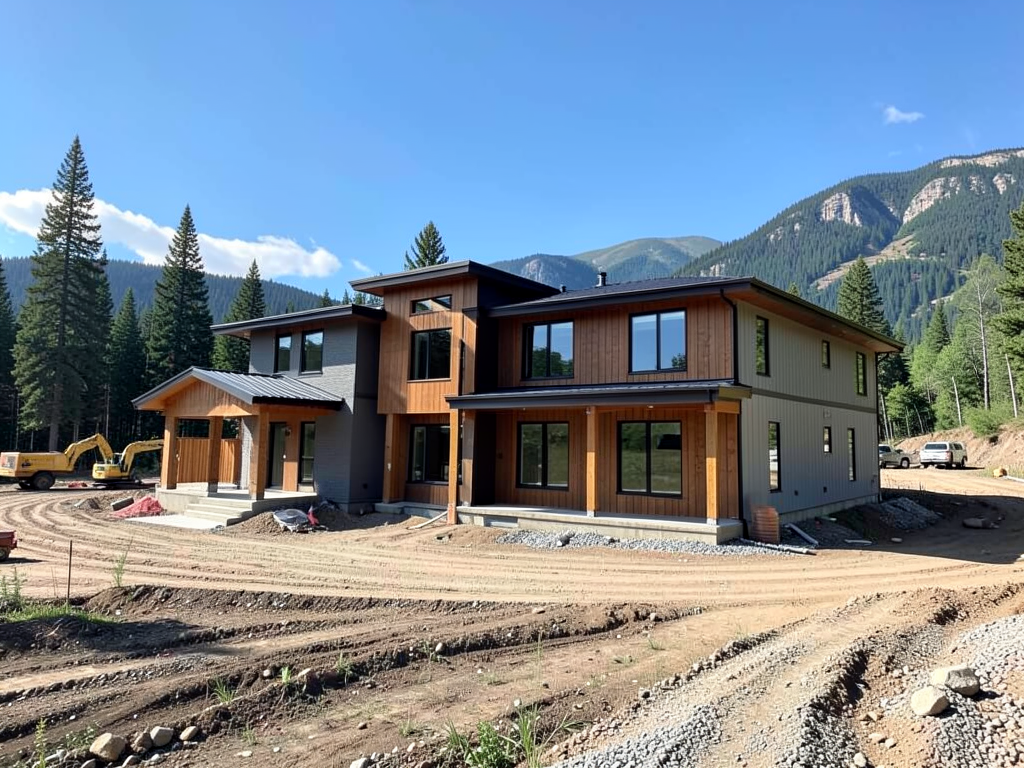
Building Custom Homes on Acreage in Spokane County
Jeremy · · 8 min read
Discover custom acreage home building in Spokane County with Zulu Built. Call us for a clear estimate on land site work and home construction today.
Building a custom home on land you own or plan to purchase is one of the most exciting decisions you'll make—and one of the most complicated if you don't price the dirt work up front. In the Inland Northwest, especially across rural areas like Cheney, Davenport, and Reardan, acreage comes with questions that city lots never ask: where does the water come from, where does the waste go, and how do you get a driveway up a hill in February? At Zulu Built, we walk those parcels with homeowners before a single line gets drawn, because the cost of building on acreage isn't just the house—it's everything that happens before the foundation gets poured.
What Makes Building on Acreage Different in Spokane County
When you're building on an infill lot in Spokane or Liberty Lake, utilities are usually waiting at the property line. Water, sewer, power, and gas are already stubbed in or a short connection away. On acreage, none of that exists yet. You're responsible for bringing in every system, and each one carries a price tag that changes depending on soil, topography, distance, and jurisdiction.
Across Spokane County, rural builds typically require a private well for water and a septic system for waste. Depending on where your parcel sits, you may also need a long driveway, significant grading to create a building pad, and electrical service extended from the road. These aren't line items you can guess at—they need to be scoped, priced, and locked in before you commit to the land or the build.
Our acreage and rural home service is built around answering these questions early, so you know what the land will cost to develop before you're too far in to walk away.
Well and Water Systems
In most of the rural Inland Northwest, your water will come from a drilled well. The depth, flow rate, and water quality all vary by location, and you won't know what you're working with until a licensed driller tests the site. Wells in areas like Medical Lake or Reardan might hit water at 150 feet, while parcels farther west can require 400 feet or more.
The cost of the well depends on how deep the driller has to go, what kind of casing and pump are required, and whether you need a pressure tank, filtration, or water softening. Some parcels also require a water rights permit or an exemption filing with the state, which adds time and paperwork to the process.
We coordinate the well drilling, testing, and system installation as part of the site work package, and we price it before you sign anything. That way, if the water situation doesn't pencil out, you know before you've spent money on design or permits.
Septic Systems and Soil Testing
Septic systems are the other major piece of rural infrastructure, and they're more complicated than most buyers expect. The Spokane Regional Health District regulates septic design and installation across the county, and they require soil testing to determine what kind of system your land can support.
Some parcels have ideal soil that allows for a conventional gravity-fed drainfield. Others require mound systems, pressure distribution, or even more advanced treatment depending on depth to groundwater, soil percolation rates, and setback distances from wells or property lines. Each step up in complexity adds cost.
We bring in the soil scientist, work with the health district on the design, and include the septic system in your site work estimate so there's no sticker shock three months into the project. If your land can't support a standard system, you'll know what the upgrade costs before you move forward.
Access, Grading, and Driveway Costs
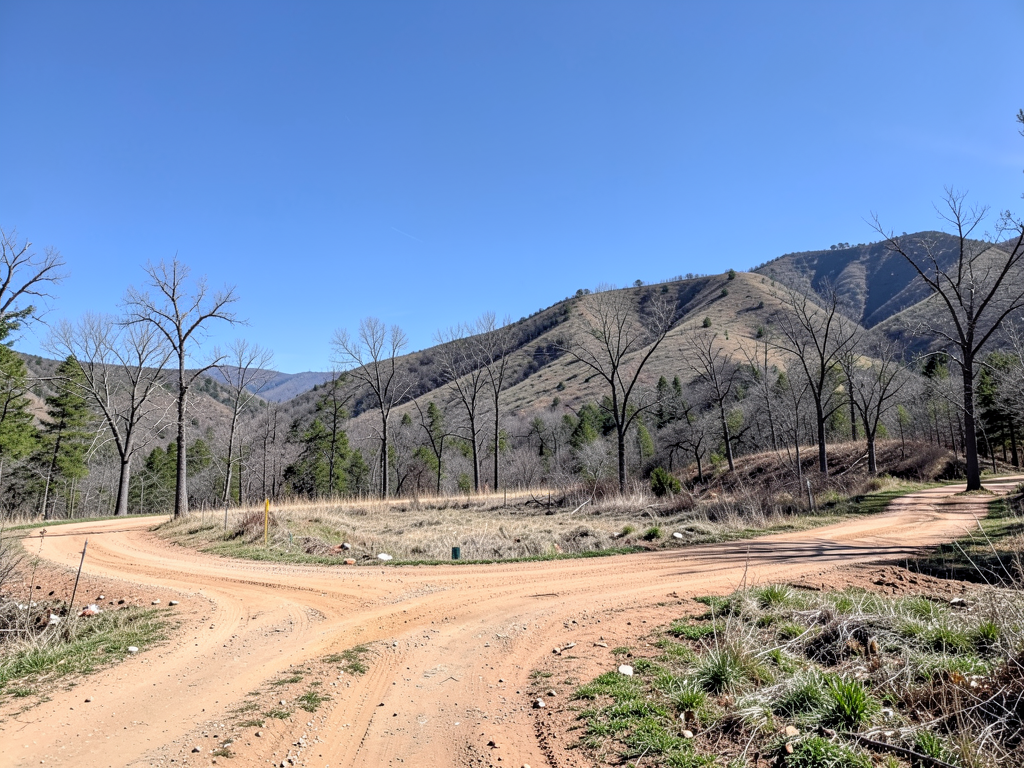
One of the most underestimated costs when building on acreage is simply getting to the building site. If your parcel is flat and sits 50 feet off a county road, access is straightforward. But if you're building on a sloped parcel near Cheney or a forested site outside Davenport, you may need significant excavation, fill, culverts, and a long gravel or paved driveway just to make the site buildable.
Grading costs depend on how much dirt has to move, what the slope is like, and whether you're working in rock, clay, or sandy loam. Some sites also require retaining walls, drainage systems, or erosion control measures to meet county standards.
We price all of this during the feasibility phase, so your budget reflects the real cost of preparing the land—not just the cost of framing walls.
Electrical Service Extensions
Bringing power to a rural parcel can be free, expensive, or somewhere in between, depending on how far you are from the nearest transformer. Avista and Inland Power serve most of the Inland Northwest, and each utility has its own policy on service extensions.
In some cases, the utility will extend power to your building site at no cost if you're within a certain distance of existing infrastructure. If you're farther out, you may need to pay per pole or per foot of line extension, and costs can climb quickly if trenching, boring, or overhead lines are involved.
We work with the utility early to get a service estimate and build that cost into your overall project budget, so there are no surprises when it's time to energize the site.
Permits and Inspections for Rural Builds
Building on acreage in Spokane County means working with the county building department, the health district, and sometimes the Department of Ecology, depending on your water source and environmental conditions. Each agency has its own review process, and timelines can vary depending on workload and complexity.
The county issues your building permit after reviewing structural plans, energy compliance, and site development. The health district issues the septic permit after soil testing and system design. If you're drilling a well, the driller pulls a separate well permit through the state.
We coordinate all permitting and inspection scheduling as part of our custom home building service, so you're not juggling multiple agencies on your own. Every inspection gets logged in your project portal, and we handle the coordination with the county and health district from start to finish.
Seasonal Considerations for Site Work
In the Inland Northwest, weather affects when and how site work gets done. Winter months can bring frozen ground, snow cover, and limited access, all of which slow down or pause excavation, utility installation, and concrete work. Spring thaw can turn rural roads and building sites into mud pits, making it hard to get heavy equipment in and out.
We plan site work around the seasons, typically aiming to complete grading, utility trenching, and foundation prep during the drier months between late spring and early fall. If your project timeline requires winter work, we'll price in the added complexity and coordinate with trades who can work in cold conditions.
How Zulu Built Prices Acreage and Rural Home Projects
When you come to us with a piece of land and a vision, we don't start with the floor plan—we start with the parcel. Jeremy, the owner, walks the site with you, looks at topography and access, and coordinates with well drillers, septic designers, excavators, and utilities to get real numbers on what it will take to make the land buildable.
Once we have those costs, we build them into a full project estimate that includes the home, the site work, and everything in between. You get one itemized number that reflects the real cost of building on your land, not a house-only price that ignores half the work.
We also provide lot evaluation and feasibility analysis before you buy, so if a parcel looks great but the site work costs are going to eat your budget, you know before you close on the land. That level of transparency is part of how we work—no surprises, no vague ranges, just honest numbers and a clear path forward.
What's Included in a Free Estimate
Our free estimates for acreage builds include a line-by-line breakdown of every major cost: well and water system, septic design and installation, driveway and access, grading and site prep, utility extensions, permits, and the home itself. You'll also see allowances for finish selections, so you know what's covered and where you have flexibility to upgrade or adjust.
Estimates are typically ready in about a week, and there's no pressure to move forward. If the numbers work, we'll schedule a design meeting and get started. If they don't, you'll have a clear picture of what needs to change—whether that's the size of the home, the scope of site work, or the land itself.
Why Site Work Matters Before You Break Ground
The horror stories people tell about building on acreage almost always start the same way: the builder gave them a price for the house, but nobody talked about the well, the septic, or the driveway until it was too late to back out. By then, the budget was blown and the options were limited.
We don't build that way. Site work gets priced up front, with real quotes from licensed subcontractors, so your budget is based on reality instead of optimism. If your land is going to cost $80,000 to develop before the foundation goes in, that's in the estimate from day one—not discovered halfway through framing.
That approach protects you from budget overruns and gives you the information you need to make smart decisions about where to build, what to build, and how much house your land can realistically support.
Ready to Build on Your Land?
If you own acreage in Spokane County or you're looking at rural land near Cheney, Davenport, or Reardan, we'll walk the parcel with you, coordinate the site evaluations, and price out the full scope of work before you commit. You'll get an honest assessment of what it takes to build on your land and a clear estimate that includes every piece of the puzzle.
Call us at (509) 355-4445 or visit our booking page to schedule a free consultation. We're available Monday through Saturday, 7:00 AM to 6:00 PM, and we respond within one hour. Whether you're ready to build now or just starting to explore your options, we'll give you the straight answer on what your land can support and what it will cost to make it happen.