Custom Home Building Timeline in Spokane Explained
Jeremy · · 10 min read
Discover the custom home building timeline in Spokane with Zulu Built. Learn how to keep your project on track. Call us to start your build today!
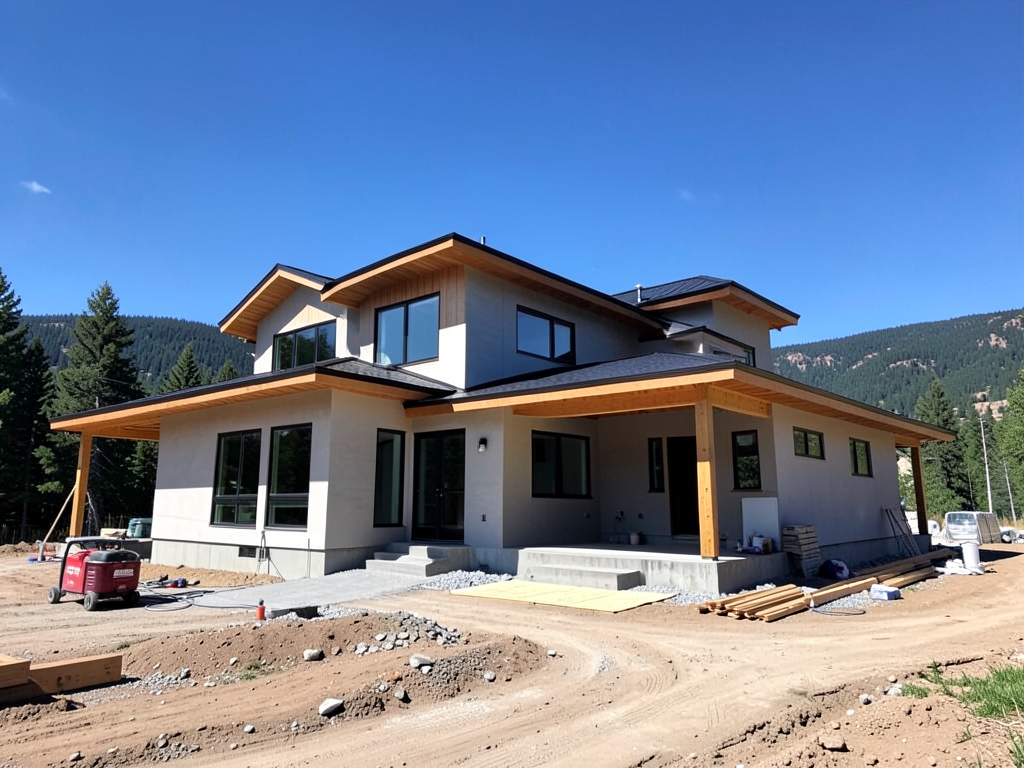
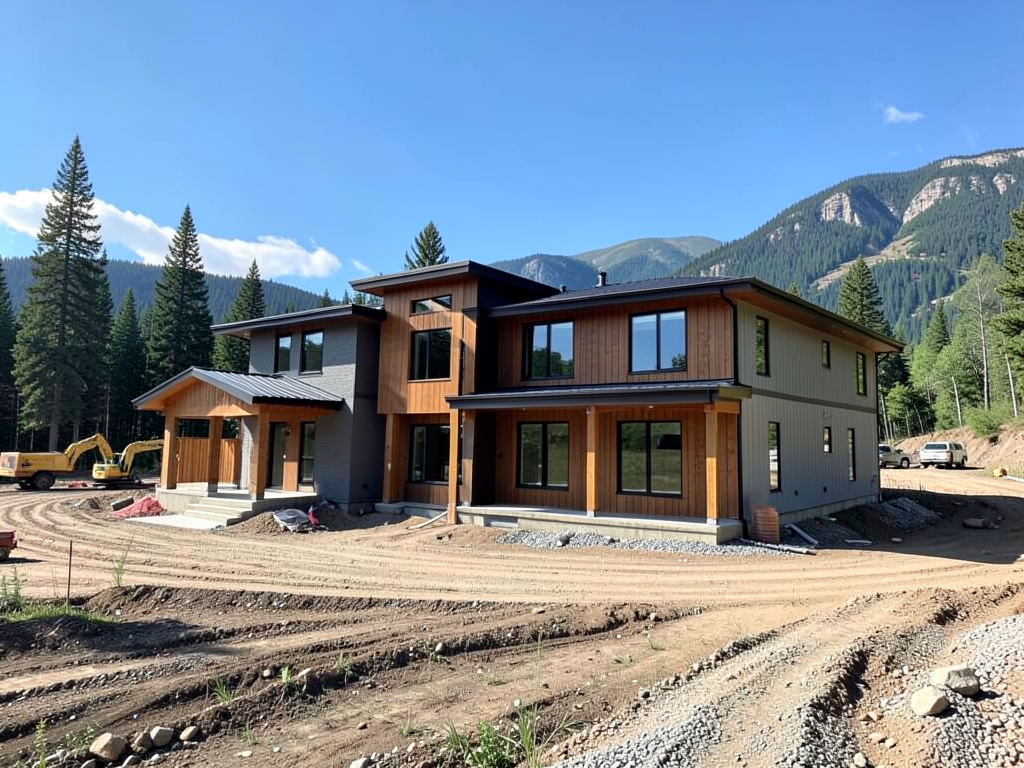
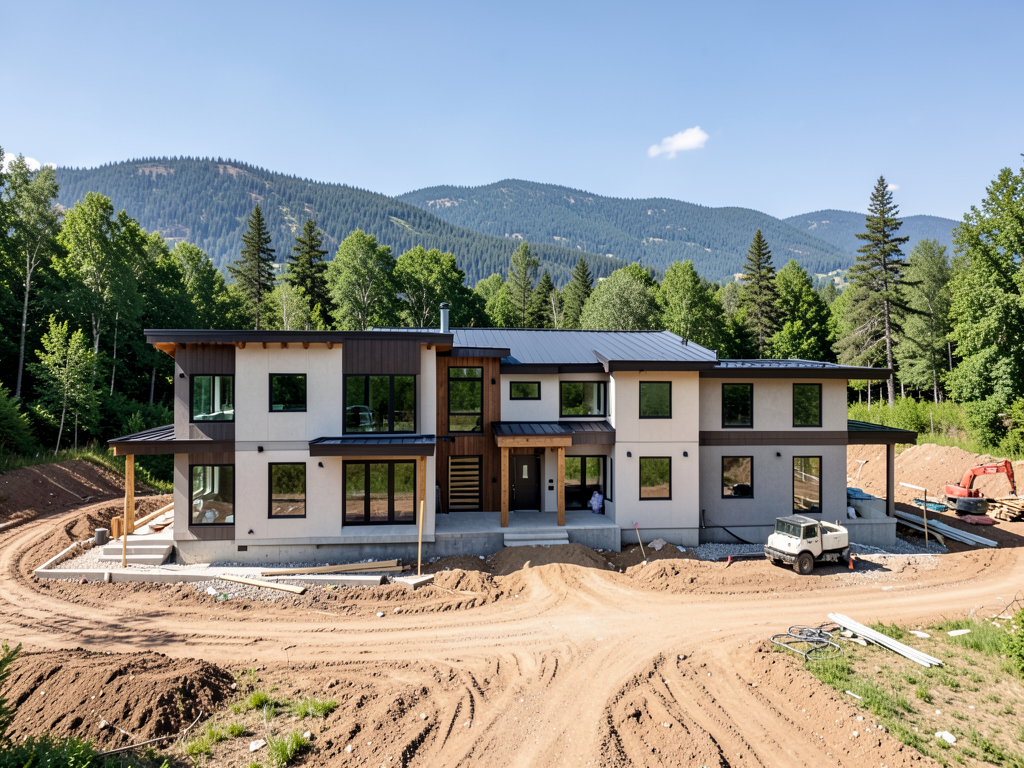
Building a custom home in Spokane or the surrounding Inland Northwest is a significant investment, and one of the first questions most homeowners ask is simple: how long is this actually going to take? The answer depends on your lot, your plan, the season you start, and how decisions get made along the way. At Zulu Built, most custom homes run roughly nine to fourteen months from groundbreaking to final walkthrough, but that timeline shifts based on real-world factors like permitting, weather, and how quickly selections come together. This article walks through the full custom home building timeline in Spokane, what affects it, and how to keep your project on track from day one.
Why Custom Home Timelines Vary in Spokane and the Inland Northwest
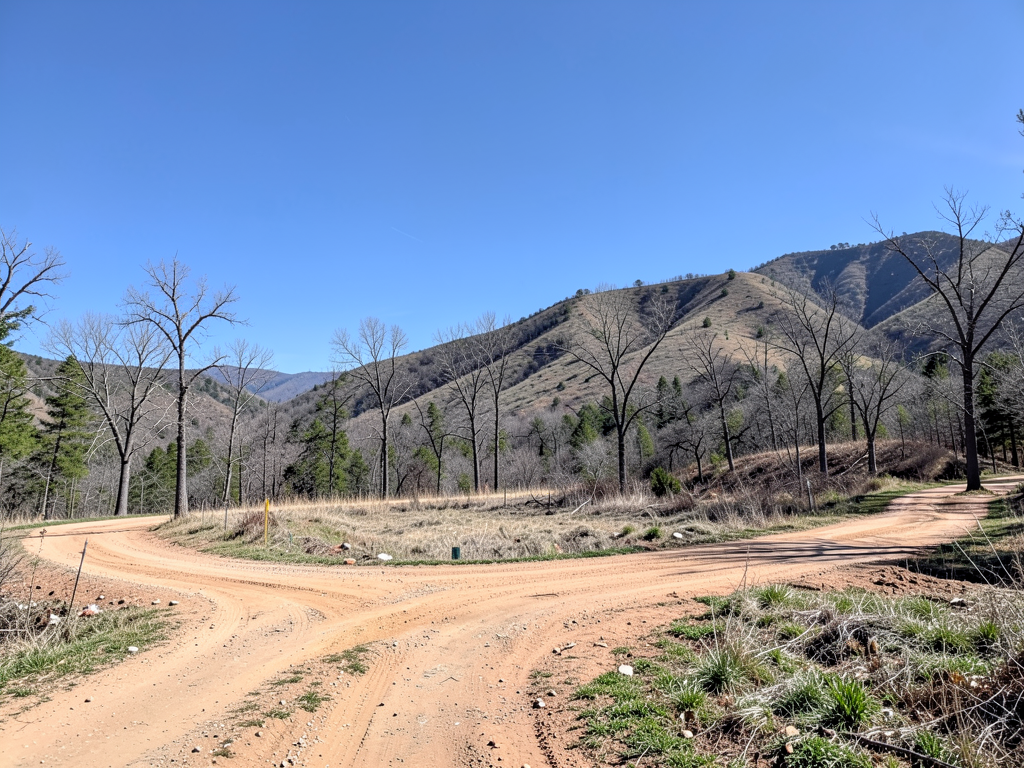
No two custom homes follow the exact same schedule. A straightforward build on a flat city lot in Spokane Valley with all utilities at the street will move faster than a hillside acreage home near Cheney that needs a well, septic, and half a mile of gravel access. The timeline also depends on how your project is structured. A design-build project where plans and construction happen under one roof typically stays tighter to the schedule than a traditional design-bid-build approach where handoffs between architects, engineers, and builders create gaps.
Weather plays a role too. Spokane winters bring snow, frozen ground, and shorter working days. Concrete pours slow down when temperatures drop below freezing, and exterior work that would take two weeks in July might stretch to three in January. Spring mud season can delay site work on rural lots. Most experienced builders in the Inland Northwest plan around these realities rather than pretend they do not exist.
The Pre-Construction Phase: Before the First Shovel Hits Dirt
The clock does not start at groundbreaking. Before any construction begins, there is a planning and permitting phase that can take anywhere from a few weeks to several months, depending on how prepared you are when you first reach out to a builder.
Initial Consultation and Estimate
The process starts with a conversation. At Zulu Built, Jeremy meets with every prospective client to walk the lot, review plans if they exist, and talk through goals and budget. This initial consultation is free, and it typically results in an itemized estimate within about a week. That estimate becomes the foundation of the project schedule and budget. If you are still shopping for land or finalizing plans, that phase can add weeks or months before construction planning begins.
Plan Development and Engineering
If you already have stamped architectural plans, you are ahead. If not, you will need to work with a designer or architect to develop a buildable set of plans. Depending on complexity, this can take anywhere from four to twelve weeks. Custom homes on acreage or hillside lots near Liberty Lake or Medical Lake often require additional engineering for foundation design, retaining walls, or septic systems, which adds time to the pre-construction phase.
Permitting in Spokane County and City Jurisdictions
Once plans are finalized, they go to the local building department for permits. In the City of Spokane or Spokane Valley, this process typically takes two to six weeks, depending on plan complexity and current workload at the city. Rural builds in Cheney, Davenport, or Reardan go through Spokane County, and timelines vary based on whether you need septic approval, well permits, or variance requests. Some lots require health district sign-off before a building permit can be issued, which can add another layer of timing. Zulu Built coordinates all permitting and inspection scheduling as part of our custom home building service, so nothing falls through the cracks.
The Construction Phase: Foundation to Final Walkthrough
Once permits are in hand and the build contract is signed, construction begins. This is where the nine-to-fourteen-month window comes into play for most projects. Here is how that time typically breaks down.
Site Preparation and Foundation (Weeks 1–6)
Site work includes clearing, grading, trenching for utilities, and pouring the foundation. On a flat city lot with city water and sewer, this phase might take three to four weeks. On a rural acreage property near Reardan or Davenport, it can stretch to six weeks or more if you need a well drilled, septic installed, and a long driveway cut in. Weather is a major factor here. Frozen ground in January or spring mud in April can delay excavation and concrete work. Most builders in Spokane try to pour foundations in late spring through early fall when conditions are predictable.
Framing and Dried-In Shell (Weeks 7–12)
Framing goes fast once it starts. A typical single-family custom home frame goes up in two to four weeks, depending on size and complexity. After framing comes the roof, windows, and exterior doors, which gets the home "dried in" so interior work can proceed regardless of weather. This phase is critical in Spokane because once the shell is weathertight, winter conditions have less impact on the schedule. Zulu Built provides daily progress photos through our project management portal during this phase, so you can watch the frame take shape even if you are not on site every day.
Mechanical, Electrical, and Plumbing Rough-In (Weeks 13–16)
Once the shell is dried in, the trades move in. Plumbers run water lines and drain pipes, electricians rough in outlets and panels, and HVAC contractors install ductwork. This phase also includes any in-floor radiant heat, if applicable, and rough plumbing for future bathroom and kitchen fixtures. Inspections happen at the end of rough-in, and any corrections need to be made before insulation and drywall can begin. This is also when homeowners finalize fixture selections and any last-minute layout tweaks, which is why weekly project meetings are so important. Decisions made on time keep the schedule on track.
Insulation, Drywall, and Interior Finishes (Weeks 17–28)
This is the longest stretch of the build. Insulation gets installed and inspected, then drywall goes up, gets taped, textured, and painted. Interior trim, cabinetry, countertops, flooring, and tile work all happen in sequence. Delays here usually come from material lead times or selection changes. Custom millwork, specialty tile, or high-end appliances can push timelines if they are not ordered early. Zulu Built manages all allowance and selection schedules through the project portal, so you know exactly when decisions need to be locked in to avoid delays.
Final Fixtures, Exterior Work, and Punch List (Weeks 29–36)
In the final phase, light fixtures, plumbing fixtures, appliances, and hardware get installed. Exterior work wraps up, including siding, decks, landscaping, and driveways. The home goes through final inspections with the city or county, and any punch list items get addressed. At Zulu Built, Jeremy walks the finished home with every client, closes out every detail, and ensures nothing gets left undone before keys are handed over.
What Can Slow Down a Custom Home Build
Even with the best planning, things happen. Here are the most common factors that add time to a new construction project in Spokane and the Inland Northwest.
Material Lead Times and Supply Chain Delays
Certain materials take longer to source than others. Custom windows, specialty roofing, engineered beams, and high-end appliances can have lead times of eight to twelve weeks or more. If these are not ordered early, they become the bottleneck. Builders who wait until the last minute to order materials lose weeks waiting for items to arrive. At Zulu Built, we lock in long-lead items during the planning phase so they arrive when the build needs them, not weeks later.
Weather and Seasonal Conditions
Spokane winters are cold, and that affects the schedule. Concrete does not cure properly below freezing without special measures. Exterior painting and staining require specific temperature ranges. Snow and ice slow down deliveries and site access. Builders who start a project in November should expect slower progress through January and February than a project that breaks ground in May. This does not mean you cannot build in winter, but it does mean the timeline needs to account for it.
Change Orders and Mid-Build Decisions
Every change order adds time. Moving a wall, upgrading a countertop, or adding a window after framing is done requires coordination with multiple trades and often a revised permit. Some changes are unavoidable, but many happen because selections were not finalized before construction started. Weekly meetings and a clear selection schedule prevent most of these delays. Zulu Built tracks every change order in the project portal so you can see how each decision affects budget and timeline before it is approved.
Permitting and Inspection Delays
Some jurisdictions move faster than others. City of Spokane inspections are typically scheduled within a few days. Spokane County inspections can take longer depending on workload and location. If an inspection gets failed due to a code issue, it has to be corrected and re-inspected, which can add days or weeks. Working with a builder who knows local codes and has a track record with local inspectors reduces the chance of surprise failures.
How to Keep Your Custom Home Project on Schedule
Homeowners have more control over the timeline than they think. Here is how to avoid the most common delays.
Finalize Plans Before Breaking Ground
The more decisions you make before construction starts, the fewer disruptions you will face later. Lock in your floor plan, exterior finishes, and major systems before the first permit is submitted. Changes are expensive and slow once the build is underway.
Make Selections Early and Stick to the Schedule
Every builder provides a selection schedule that tells you when each decision needs to be made. Cabinet styles, tile, flooring, fixtures, paint colors, and hardware all have deadlines. Missing a deadline means the trade waits, the schedule shifts, and costs go up. Zulu Built provides a selection timeline in the project portal and sends reminders before each deadline so nothing sneaks up on you.
Stay in Communication with Your Builder
Problems get solved faster when communication is direct. At Zulu Built, you work with Jeremy from start to finish, and you meet weekly to review progress, budget, and upcoming decisions. If something comes up between meetings, you have a direct line to the person running the project, not a salesperson or project coordinator who has to check with someone else.
Order Long-Lead Items as Early as Possible
If you want custom windows, a specific appliance package, or specialty finishes, order them as soon as the contract is signed. Waiting until the build reaches that phase almost always results in delays. Experienced builders know which items take the longest and build buffer into the schedule, but the homeowner still needs to make the selection early enough for the order to go through.
What to Expect When Building in Different Spokane-Area Cities
Location affects timeline, especially in rural areas where infrastructure is not already in place.
Building in Spokane and Spokane Valley
City lots with existing utilities typically move the fastest. Permitting is straightforward, inspections are consistent, and contractors are familiar with local codes. Most custom homes in Spokane or Spokane Valley stay within the nine-to-twelve-month range if there are no major design complications or material delays.
Building in Liberty Lake
Liberty Lake has a mix of city lots and larger parcels. Hillside lots with views often require additional engineering for foundations and retaining walls, which can add a few weeks to the pre-construction phase. Otherwise, timelines are similar to Spokane.
Building in Cheney, Medical Lake, Davenport, and Reardan
Rural and acreage home builds take longer due to site work, septic, and well installation. Expect to add four to eight weeks for well drilling, septic design and installation, and extended utility runs. Permitting goes through Spokane County and the health district, which can take longer than city permits. Zulu Built prices all of this upfront so there are no surprises, and we coordinate with septic designers, well drillers, and the county to keep the schedule as tight as possible.
How Zulu Built Keeps Projects on Track in Spokane
At Zulu Built, Jeremy is personally involved in every project from the first conversation to the final walkthrough. You get a standing weekly meeting for the life of the build, a project management portal with live schedule updates and daily progress photos, and itemized line-by-line estimating so you always know where the budget and timeline stand. We do not hand you off to a project manager or disappear for weeks at a time. If something changes, you hear about it immediately, and we solve it together.
We also work within about 100 miles of Spokane, so we know the local jurisdictions, the seasonal challenges, and the trades who show up on time. That local knowledge keeps the schedule predictable and the quality consistent.
Ready to Start Your Custom Home Build in Spokane?
If you are ready to move forward with a custom home in Spokane, Spokane Valley, Liberty Lake, or anywhere in the Inland Northwest, the first step is a free consultation. We will walk your lot, review your plans, and give you an honest estimate and timeline within about a week. No pressure, no vague ranges, just a clear number and schedule from the person who will be building your home.
Call Zulu Built at (509) 355-4445 Monday through Saturday, 7:00 AM to 6:00 PM, or book a free consultation online. We respond within one hour, and we will tell you straight whether your project is a fit and what it will realistically take to get it done.